
Meet The Brayden Cole Hinck Foundation Scholars
in Cancer and Blood Disease Research at CHLA

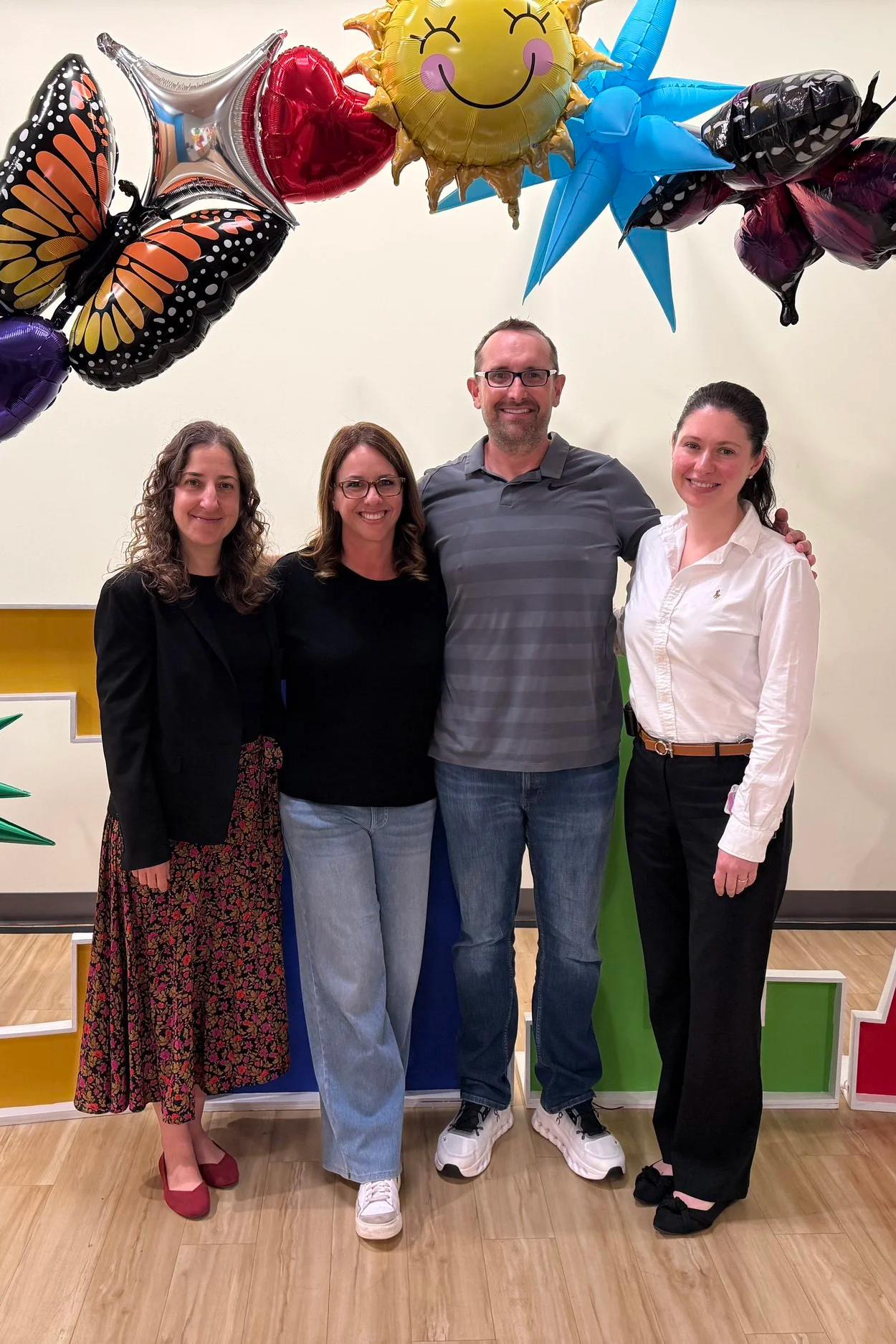
One of the Foundation's proudest accomplishments has been helping establish a lasting investment in pediatric brain cancer research at Children's Hospital Los Angeles.
During our first year, your generosity funded The Brayden Cole Hinck Foundation Fellow in Cancer and Blood Disease Research. Dr. Aaron Goldberg was selected as our inaugural fellow, allowing him to dedicate his work to developing innovative immunotherapy treatments for pediatric high-grade glioma—the aggressive form of brain cancer that Brayden battled.
Dr. Goldberg's research generated important discoveries that helped secure a competitive U.S. Department of Defense research grant, an important milestone in advancing this work toward future clinical trials. As Dr. Goldberg moves into the next stage of his career, his research will continue in the laboratory of Dr. Shahab Asgharzadeh, where scientists will build upon these discoveries in the search for better treatments.
Thanks to your continued support—and a $250,000 grant from the Hearst Foundation—we are proud to expand this effort by naming two additional Brayden Cole Hinck Foundation Scholars in Neuro-Oncology for 2026–2027.
Dr. Katrina O'Halloran is establishing the first-ever pediatric cerebrospinal fluid (CSF) biobank, creating an important resource that could transform how brain and spinal cord tumors are diagnosed, monitored, and studied. This research is especially meaningful to our family, as Brayden's disease progressed to leptomeningeal disease, a cancer that spreads through the fluid surrounding the brain and spinal cord.
Dr. Tom Davidson is leading a multi-site clinical trial evaluating a promising new treatment approach for children, adolescents, and young adults with high-grade glioma. Her work aims to strengthen the body's immune response against these aggressive tumors and identify more effective therapies for patients who desperately need better treatment options.
Because of your generosity, what began as one research fellowship has grown into a lasting program supporting multiple physician-scientists who are working to develop better treatments—and ultimately better outcomes—for children facing pediatric brain cancer.